ou’ve launched your website, added your services, and shared it on social media—but when you search for your business or the services you offer, your website doesn’t appear on Google.
If this sounds familiar, you’re not alone.
Many business owners assume that once a website is published, it will automatically appear in Google search results. In reality, getting found online takes more than simply having a website.
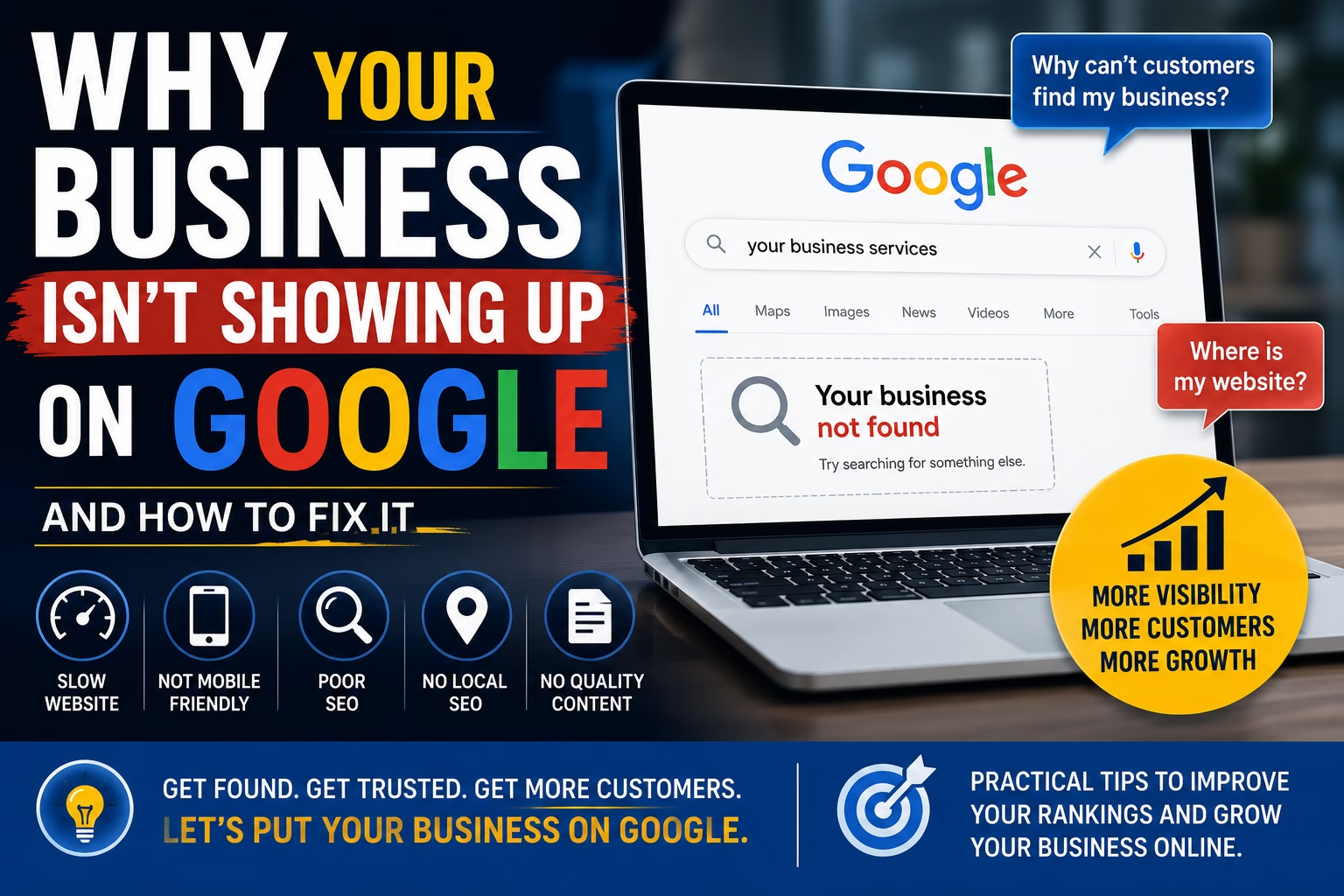
Here are some of the most common reasons your business isn’t showing up on Google—and what you can do about it.
1. Your Website Is Too New
Google doesn’t instantly index every new website.
After launching your website, search engines need time to discover, crawl, and index your pages before they can appear in search results.
If your website is only a few days or weeks old, patience is important.
What you can do:
- Submit your website to Google Search Console.
- Create and submit an XML sitemap.
- Continue publishing useful content.
2. You’re Not Targeting the Right Keywords
Your website should include the words and phrases your customers are actually searching for.
For example:
Instead of:
“Quality Digital Solutions”
Try:
“Website Design Services for Small Businesses”
The clearer your content matches search intent, the easier it becomes for Google to understand your website.
3. Your Website Isn’t Optimized for SEO
Search Engine Optimization (SEO) helps search engines understand your website.
Basic SEO includes:
- Proper page titles
- Meta descriptions
- Heading structure
- Image alt text
- Internal links
- Mobile-friendly design
- Fast loading speed
Without these foundations, your website may struggle to compete in search results.
4. Your Website Loads Too Slowly
Website speed directly affects user experience.
Visitors don’t like waiting—and neither does Google.
Common causes of slow websites include:
- Large images
- Poor hosting
- Too many plugins
- Unoptimized code
- Excessive scripts
Improving website performance benefits both visitors and search engines.
5. Your Website Isn’t Mobile-Friendly
Today, most website traffic comes from mobile devices.
If your website doesn’t display properly on smartphones or tablets, visitors may leave quickly, increasing your bounce rate.
Google also uses mobile-first indexing, making mobile usability more important than ever.
6. Your Google Business Profile Isn’t Optimized
If you’re serving customers in a specific city or region, your Google Business Profile plays a major role in local search visibility.
Make sure it includes:
- Accurate business name
- Address
- Phone number
- Business hours
- Photos
- Customer reviews
- Website link
A complete profile improves your chances of appearing in local search results and Google Maps.
7. You Rarely Update Your Website
Search engines favor websites that remain active.
If your website hasn’t changed in years, Google may view it as less relevant than competitors who regularly publish fresh content.
Adding blog articles, updating service pages, and refreshing information signals that your business is active.
8. Your Competitors Have Stronger SEO
Sometimes your website is working correctly—but your competitors have invested more in SEO.
They may have:
- More high-quality content
- Better backlinks
- Faster websites
- More customer reviews
- Stronger domain authority
SEO is competitive, and improving rankings often takes consistent effort over time.
9. You’re Missing Local SEO
Many small businesses forget to optimize for their local area.
Instead of targeting only broad keywords, include location-specific content where appropriate.
For example:
- Website Design in Your City
- IT Support for Local Businesses
- Web Development Services Near You
Local SEO helps customers nearby discover your business more easily.
10. You’re Not Tracking Your Website
If you’re not monitoring your website’s performance, it’s difficult to know what’s working.
Useful tools include:
- Google Search Console
- Google Analytics
- Google Business Profile Insights
- PageSpeed Insights
These tools help you identify technical issues, understand visitor behavior, and discover opportunities to improve your search visibility.
How to Improve Your Google Rankings
Improving your visibility doesn’t happen overnight, but consistent effort makes a difference.
Focus on:
- Publishing helpful content regularly
- Optimizing every page for SEO
- Improving website speed
- Keeping your website mobile-friendly
- Building trust through reviews
- Maintaining an updated Google Business Profile
- Earning quality backlinks
- Monitoring your website’s performance
SEO is a long-term investment that can generate valuable traffic for years to come.
Final Thoughts
If your business isn’t showing up on Google, don’t assume your website has failed.
In many cases, small improvements to your website, SEO strategy, and local presence can significantly increase your visibility over time.
Remember, your goal isn’t simply to rank higher—it’s to help potential customers find your business when they’re searching for the products or services you offer.
At IdeyasWeb, we help businesses improve their online visibility through professional website design, search engine optimization, and performance optimization.
If you’re ready to improve your rankings and attract more customers, we’d be happy to help.
Need Help Getting Found on Google?
Whether you’re launching a new website or improving an existing one, IdeyasWeb can help you build a strong online presence through effective SEO, responsive web design, and ongoing optimization.
Contact us today for a free website review and discover how we can help your business grow online.