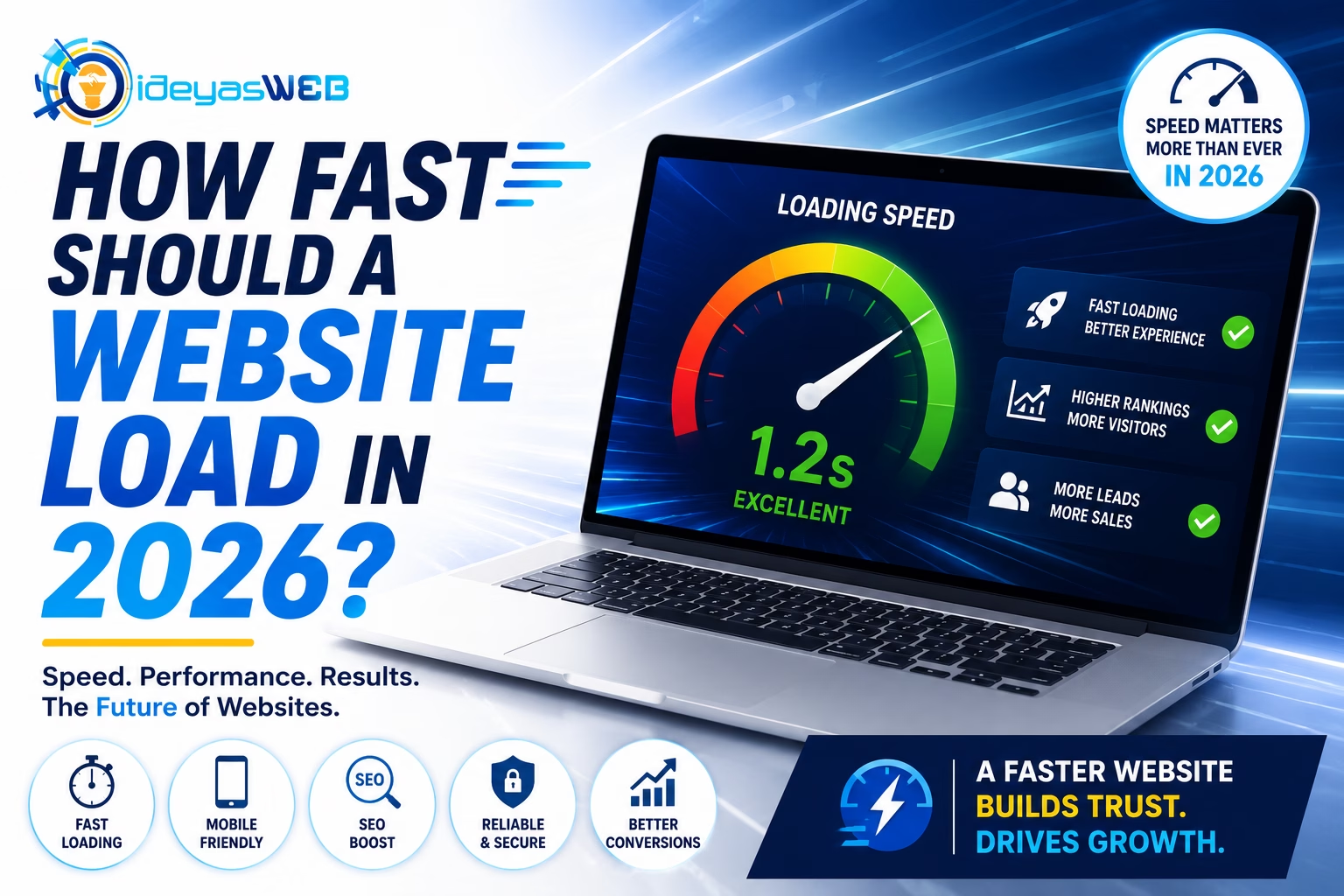
Why Website Speed Matters More Than Ever
In today’s digital world, speed isn’t just a convenience—it’s an expectation. Whether visitors are browsing your website on a desktop, tablet, or smartphone, they expect pages to load almost instantly.
A slow website doesn’t just frustrate visitors. It can lead to lower search engine rankings, fewer leads, and lost sales.
So, how fast should your website load in 2026? Let’s explore what modern businesses need to know and how you can keep your website performing at its best.
What Is Website Loading Speed?
Website loading speed refers to the amount of time it takes for a webpage to fully display and become usable after someone clicks a link.
Several factors affect loading speed, including:
- Your web hosting provider
- Website design
- Image sizes
- Code optimization
- Number of plugins
- Server response time
- Visitor’s internet connection
Every second matters.
What Is a Good Website Speed in 2026?
As a general guideline:
| Load Time | User Experience |
|---|---|
| Under 2 seconds | Excellent |
| 2–3 seconds | Good |
| 3–5 seconds | Needs Improvement |
| Over 5 seconds | Poor |
Today’s users are less patient than ever. If your website feels slow, visitors may leave before they even see what you offer.
Why Website Speed Is Important
1. Better User Experience
Fast websites make browsing enjoyable.
Visitors can quickly:
- Read your content
- Browse services
- View products
- Submit inquiries
- Complete purchases
The smoother the experience, the more likely visitors are to stay.
2. Higher Search Engine Rankings
Search engines consider website performance when evaluating pages.
A fast website is more likely to:
- Rank higher in search results
- Be indexed efficiently
- Deliver a better experience for users
Speed should be part of every SEO strategy.
3. Increased Conversion Rates
Every additional second of loading time can reduce the likelihood that visitors will take action.
A faster website helps increase:
- Contact form submissions
- Phone calls
- Quote requests
- Product sales
- Newsletter sign-ups
Performance directly supports business growth.
4. Improved Mobile Performance
Most website visitors now browse using mobile devices.
Mobile users expect pages to load quickly, even on slower connections.
Responsive design combined with speed optimization creates a much better mobile experience.
What Slows Down a Website?
Several common issues can reduce website performance.
Large Images
Uploading oversized images is one of the biggest causes of slow websites.
Optimize images before uploading and use modern image formats where appropriate.
Too Many Plugins
Installing unnecessary plugins can:
- Increase server requests
- Slow page rendering
- Create compatibility issues
Only keep plugins you truly need.
Low-Quality Web Hosting
Cheap hosting often means:
- Slower servers
- Shared resources
- Longer response times
- Reduced reliability
Choosing quality hosting makes a noticeable difference.
No Caching
Caching stores frequently accessed content, allowing pages to load much faster for returning visitors.
Proper caching can dramatically improve website performance.
Unoptimized Code
Unused CSS, JavaScript, and bulky page builders can slow your website.
Regular optimization helps keep your website efficient.
Core Web Vitals Still Matter
Google continues to emphasize user experience through Core Web Vitals.
Important performance metrics include:
- Largest Contentful Paint (LCP) – How quickly the main content appears.
- Interaction to Next Paint (INP) – How responsive the page feels after user interactions.
- Cumulative Layout Shift (CLS) – How stable the page layout remains while loading.
Optimizing these metrics improves both user experience and search visibility.
How to Speed Up Your Website
Here are practical ways to improve website performance:
Optimize Images
- Compress images before uploading.
- Resize images appropriately.
- Use modern formats like WebP where supported.
Enable Caching
Caching reduces server load and delivers pages more quickly.
Minify CSS and JavaScript
Removing unnecessary spaces and unused code reduces file sizes and speeds up loading.
Use a Content Delivery Network (CDN)
A CDN stores copies of your website across multiple locations worldwide, allowing visitors to access content from a server closer to them.
Update WordPress Regularly
Keeping WordPress, themes, and plugins updated improves:
- Performance
- Security
- Compatibility
Choose Reliable Web Hosting
A quality hosting provider offers:
- Fast SSD or NVMe storage
- Reliable uptime
- Optimized server configuration
- Strong security
Hosting is the foundation of website performance.
How to Measure Your Website Speed
Several free tools can help evaluate website performance:
- Google PageSpeed Insights
- GTmetrix
- Pingdom Website Speed Test
- WebPageTest
These tools provide recommendations to improve loading times and overall performance.
Signs Your Website May Be Too Slow
Your website may need optimization if you notice:
- Pages take several seconds to load
- Visitors leave quickly
- Low conversion rates
- Poor mobile performance
- Slow image loading
- Declining search rankings
Addressing these issues early helps prevent lost opportunities.
How Ideyasweb Can Help
At Ideyasweb, we build websites with speed and performance in mind.
Our optimization services include:
- Website performance audits
- Image optimization
- Caching configuration
- Code optimization
- Website maintenance
- High-performance hosting solutions
- Core Web Vitals improvements
Whether you’re launching a new website or improving an existing one, we can help ensure your site delivers a fast and reliable experience for every visitor.
Final Thoughts
Website speed is no longer optional—it’s essential. A fast website creates a better experience for visitors, supports search engine visibility, and increases the likelihood that potential customers will contact your business.
Investing in performance today helps your website remain competitive and effective in 2026 and beyond.
Ready to Speed Up Your Website?
If your website feels slow or isn’t performing as expected, Ideyasweb is here to help. Contact us for a website performance review and discover how a faster website can improve your online presence and support your business goals.